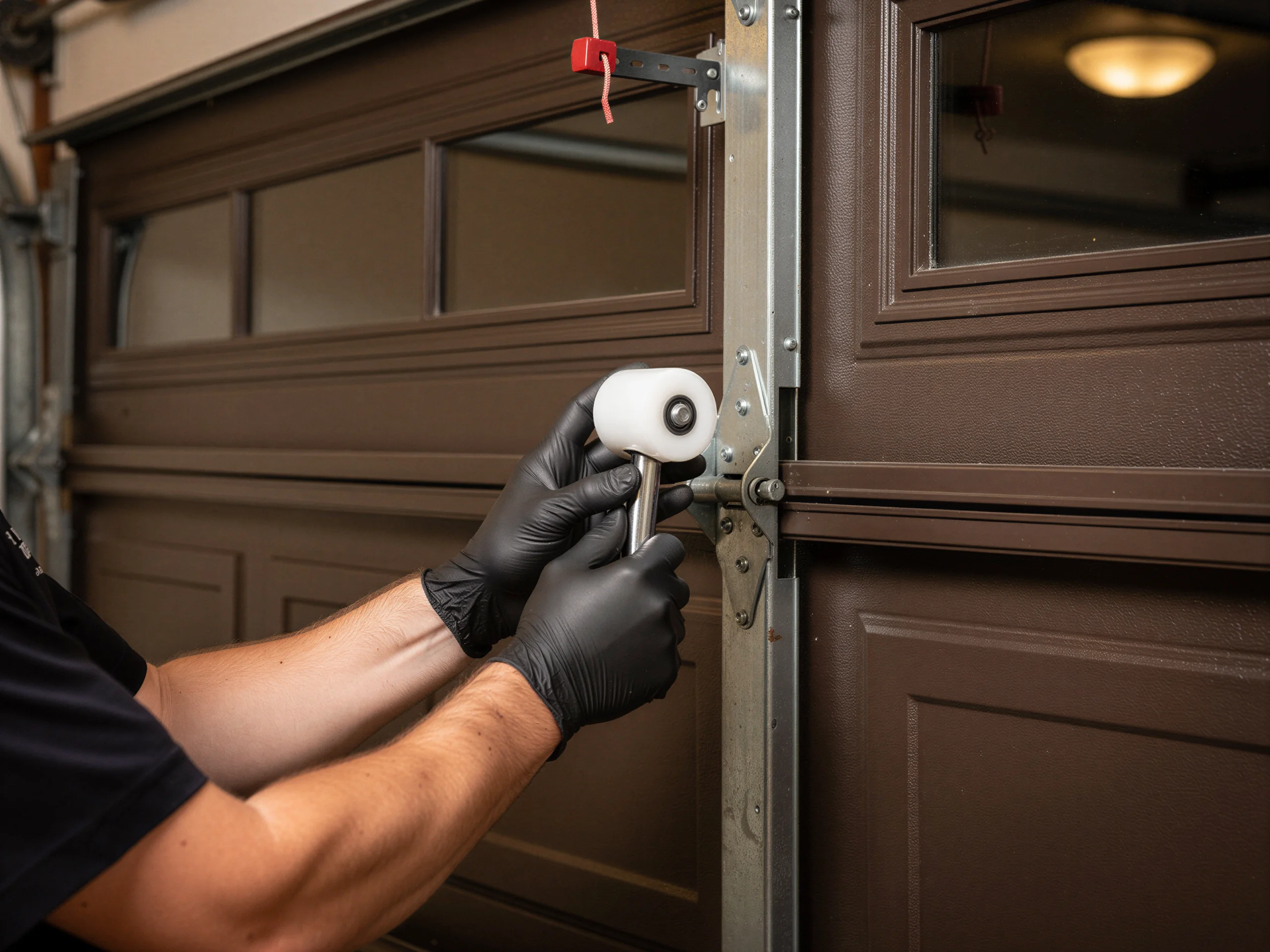
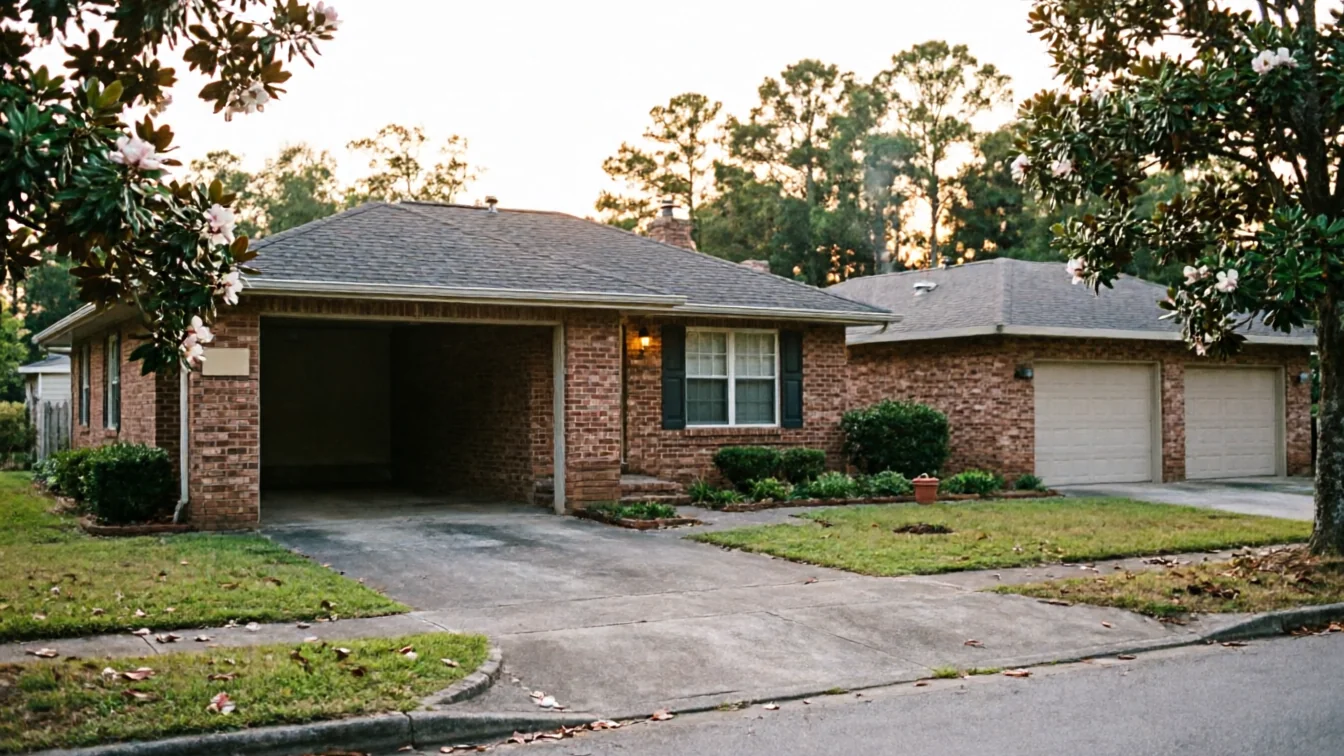
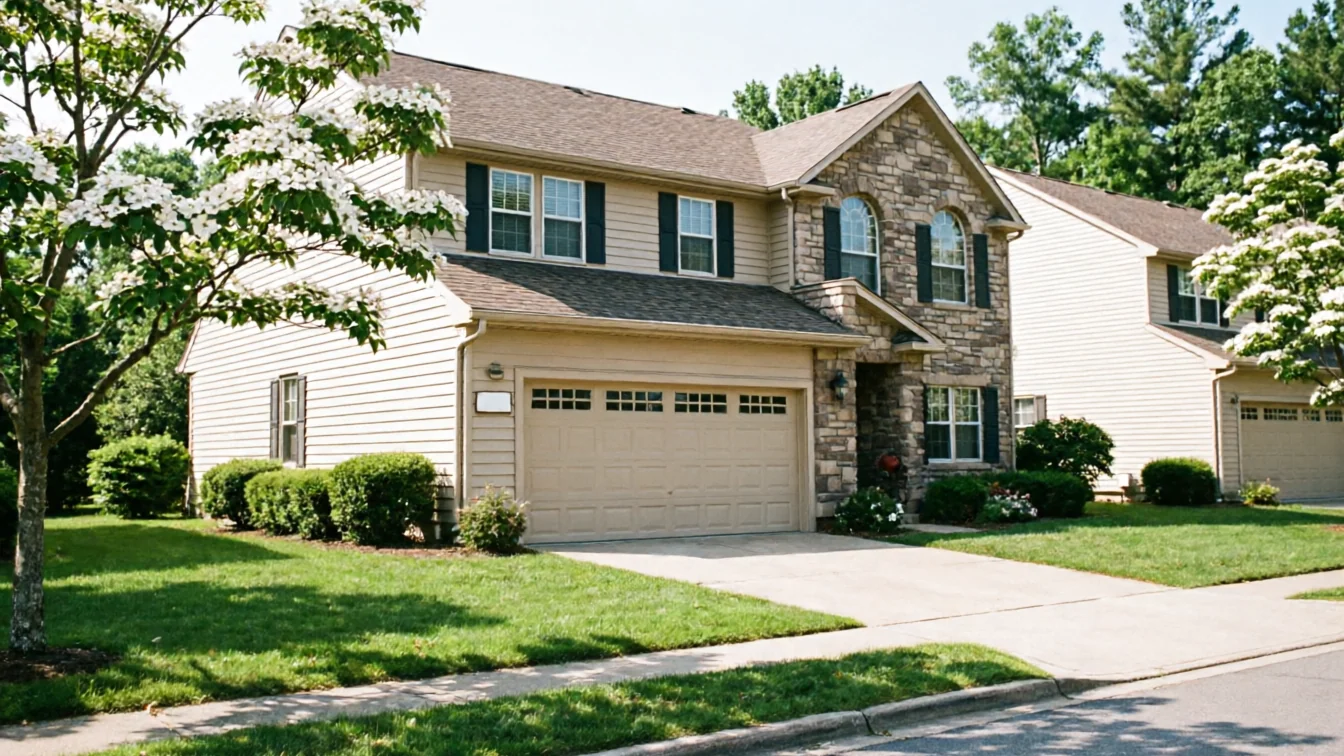
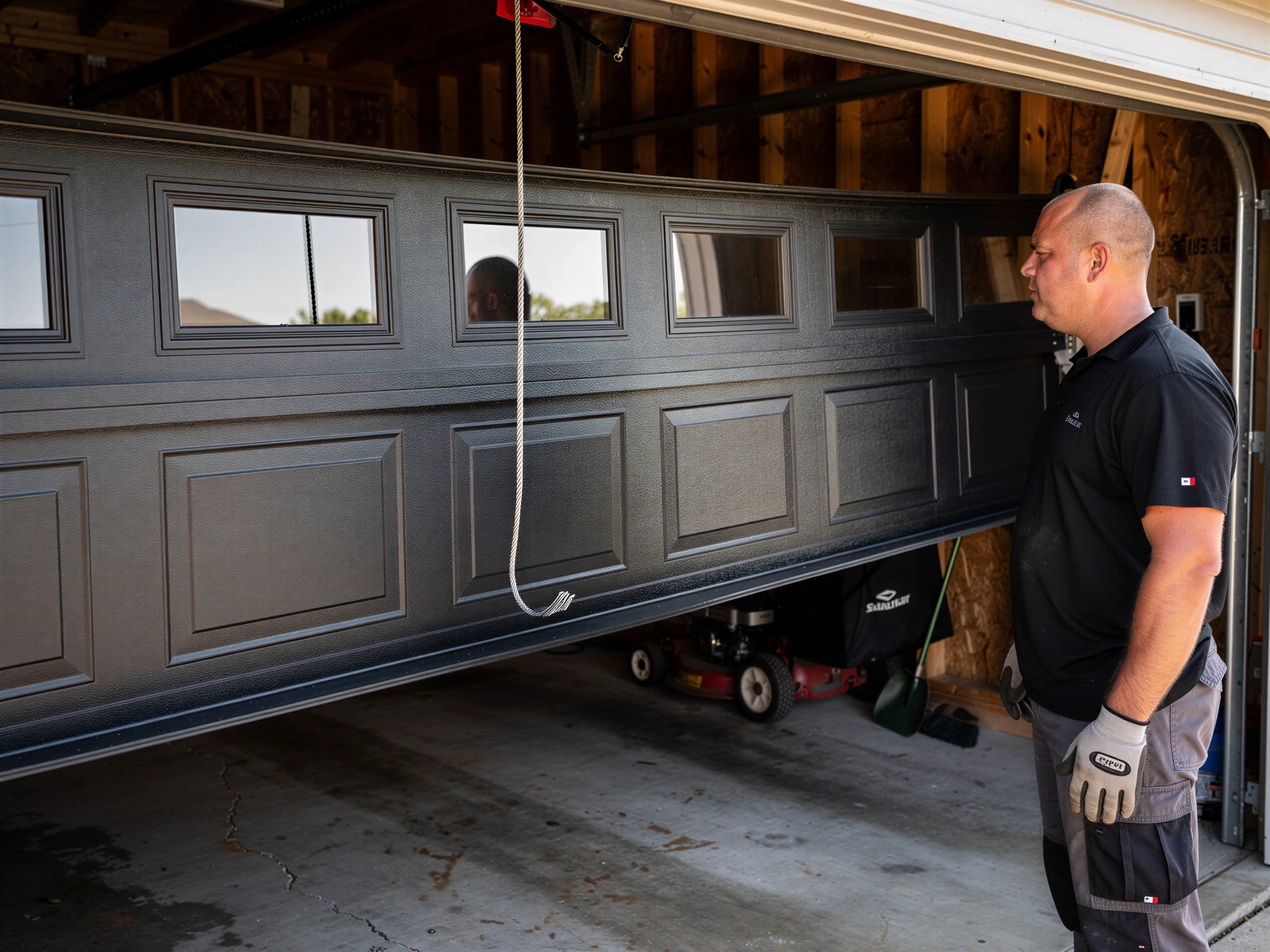
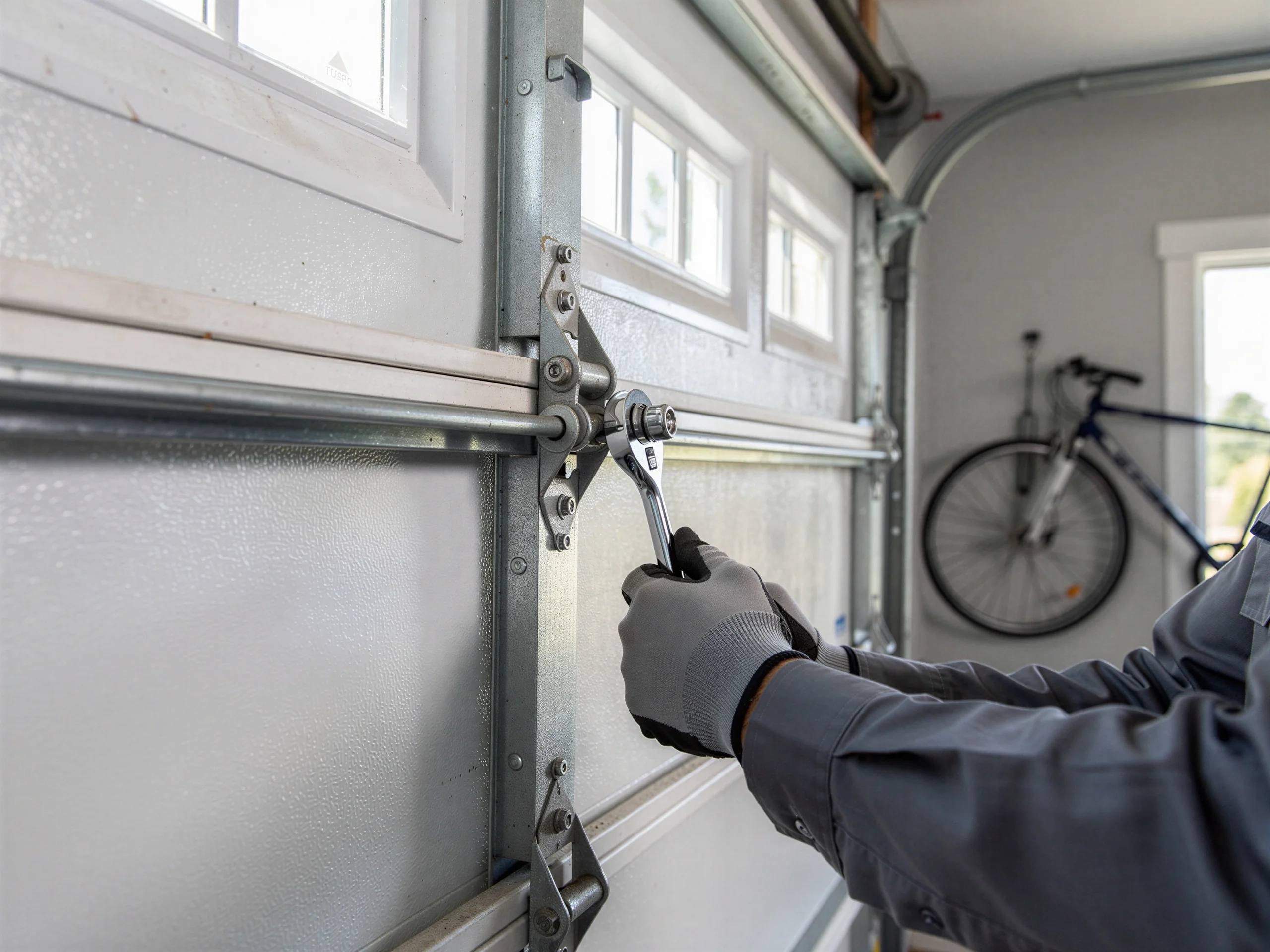
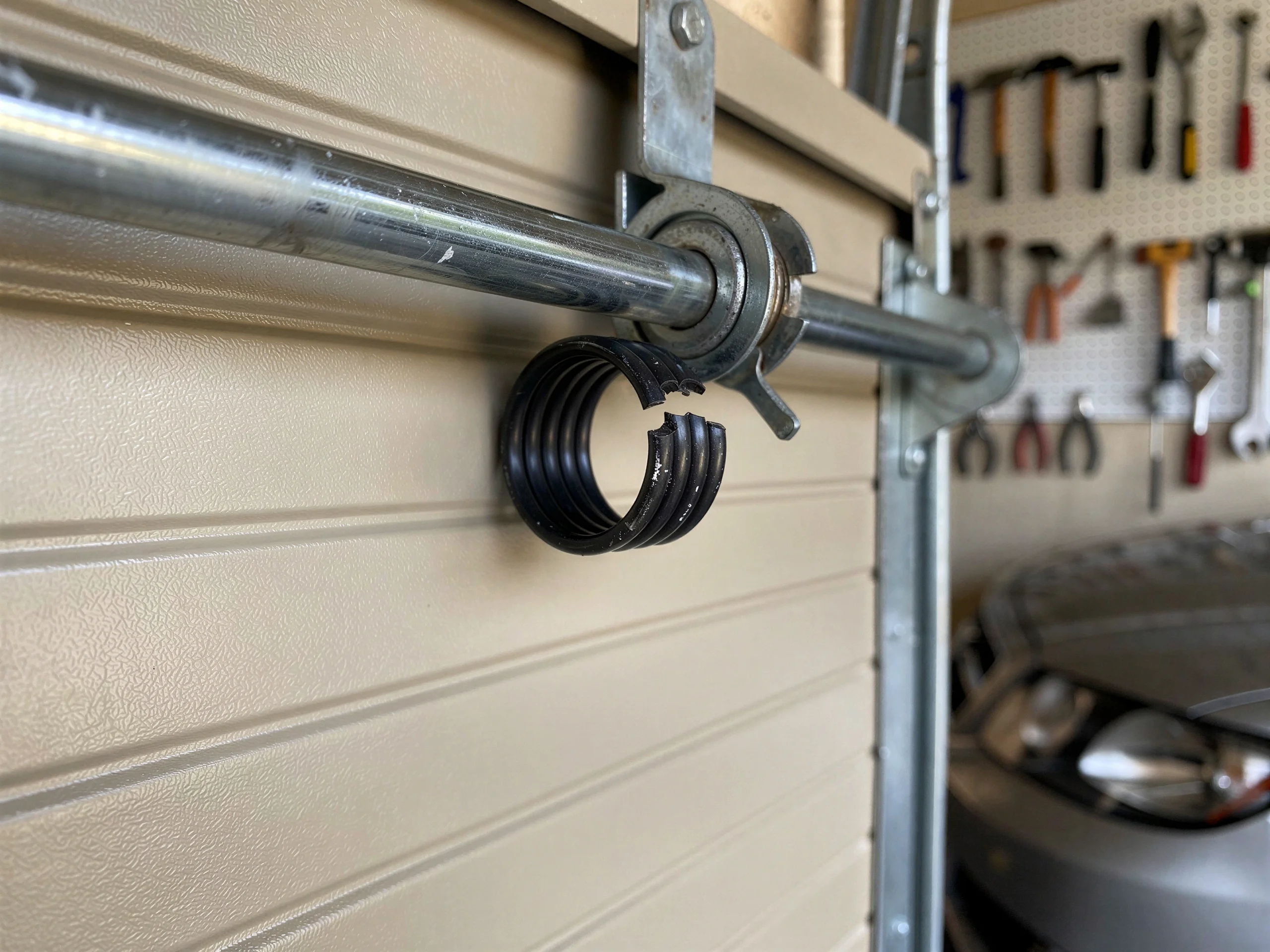
The failure pattern here traces straight back to the build year. A door going up in 1938 was built to the steel and hardware standards of that decade - heavier panels, narrower track, and roller stems sized for a wheel that doesn't exist on store shelves anymore. Compare that to the broader service area's median build year of 1986, and you can see why a roller job in Lynnville isn't the same job as one in a newer subdivision closer to Columbia. The rollers wear the same way everywhere - dirt, age, lost grease - but on this era of door, a worn roller chews into softer, older track metal faster, and once the track starts to flare, the door starts binding before it ever fully fails. That's the point where a $200ish roller fix turns into a track-and-roller job, and it's avoidable if the roller noise gets a call before the door starts sticking.