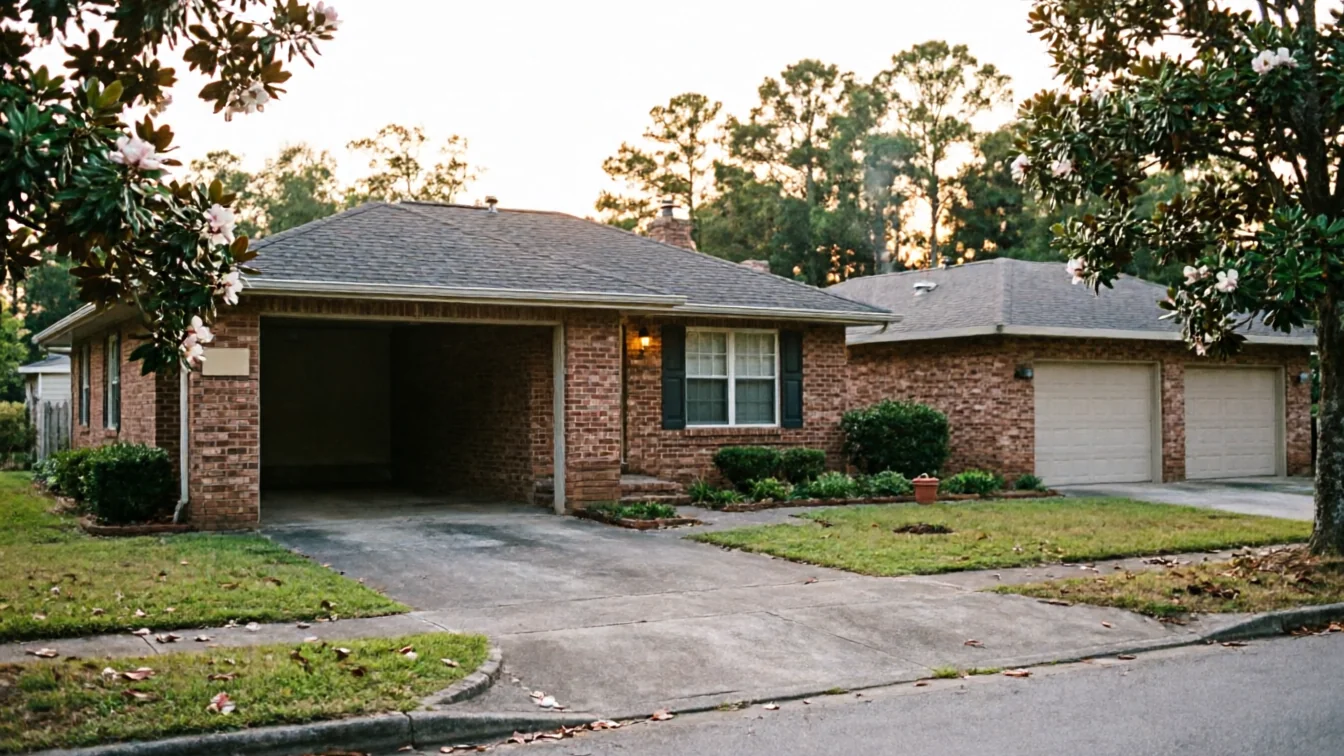
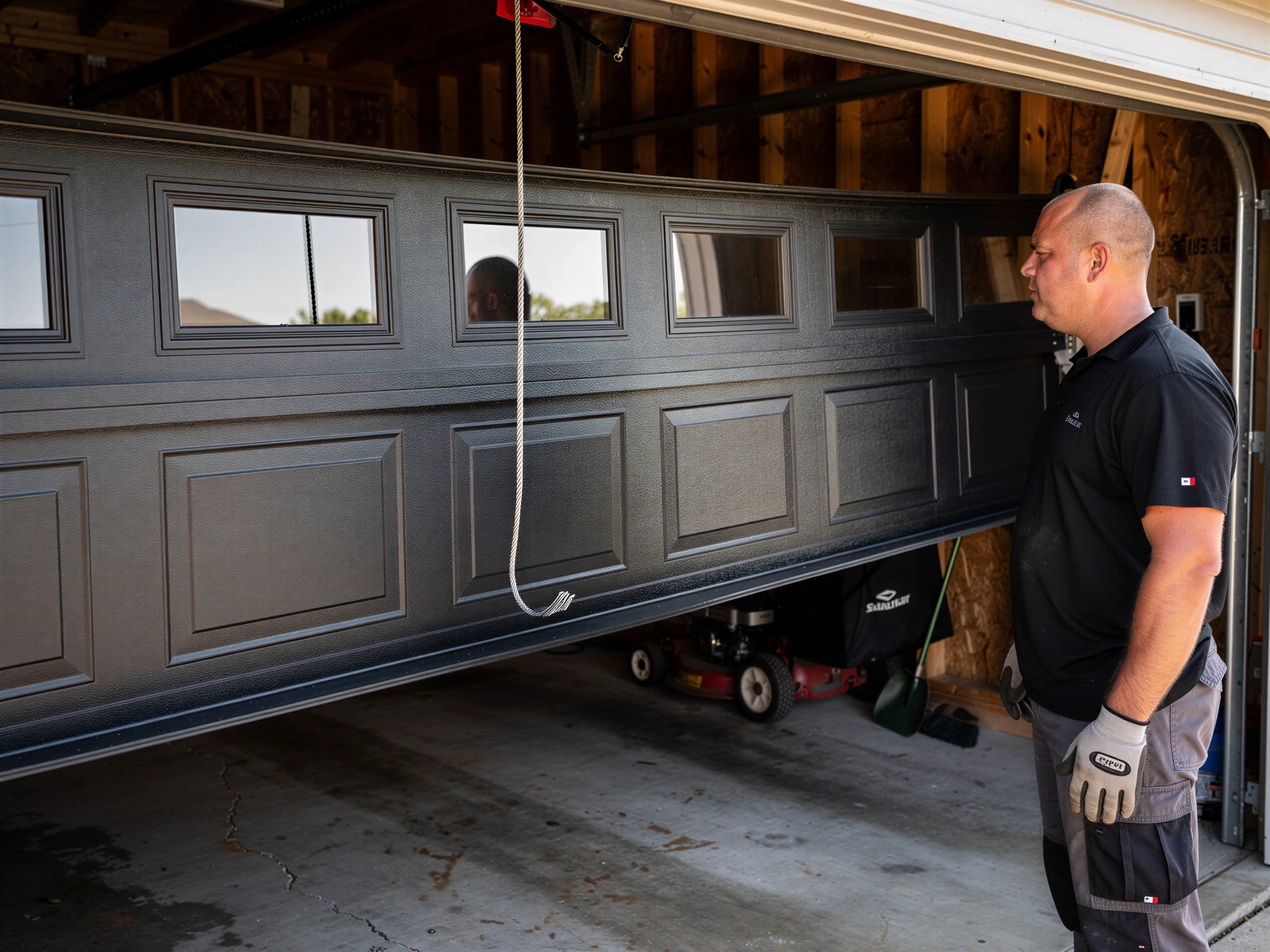
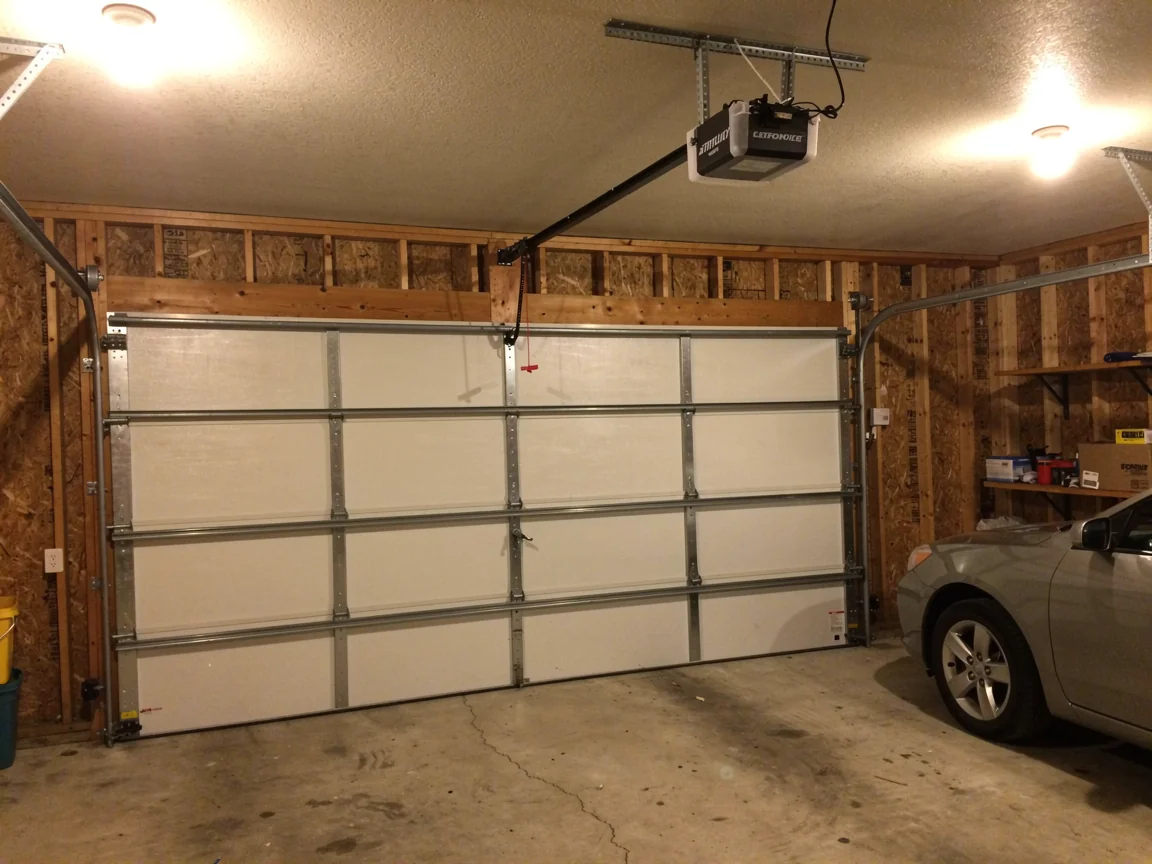
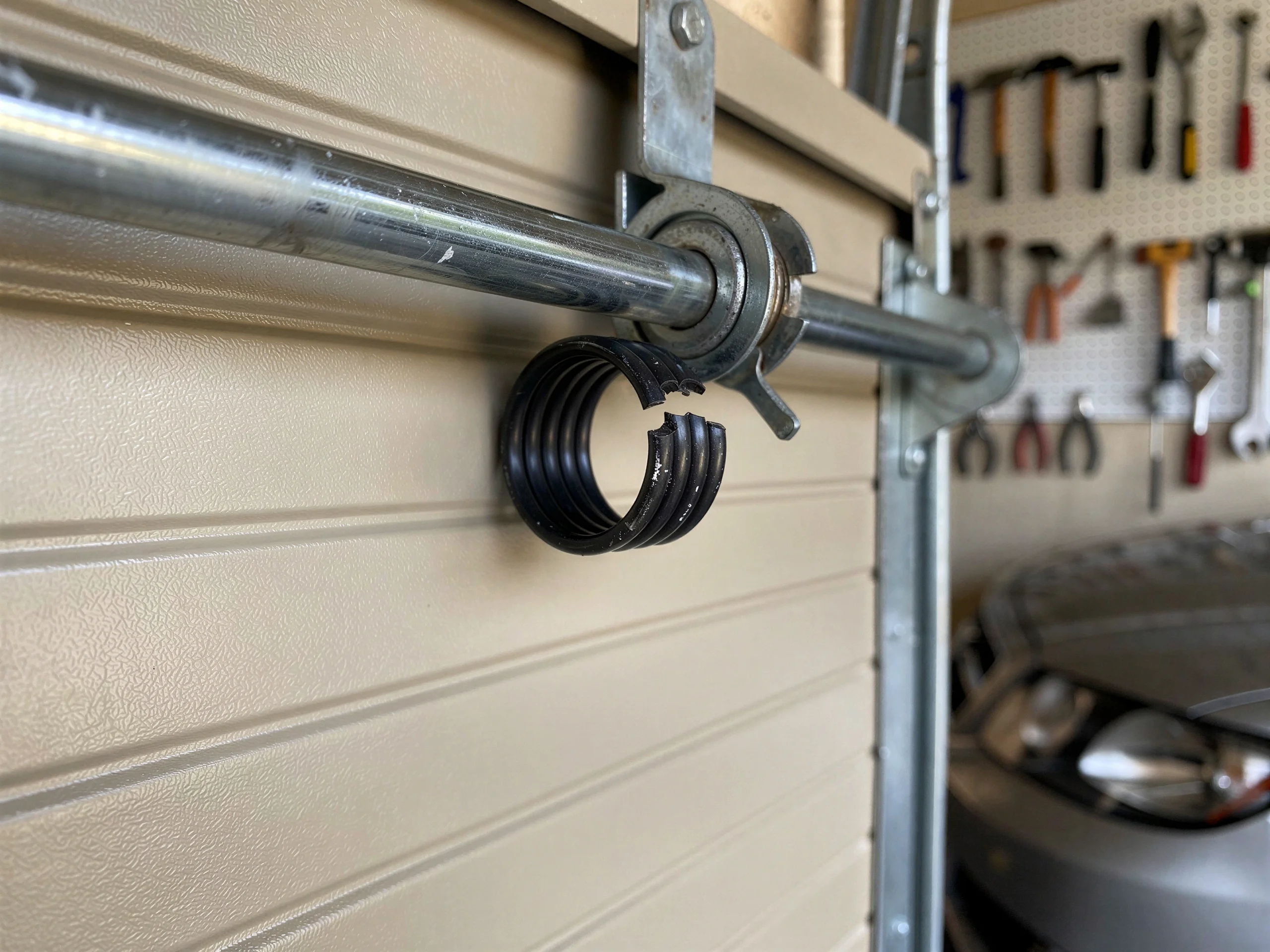
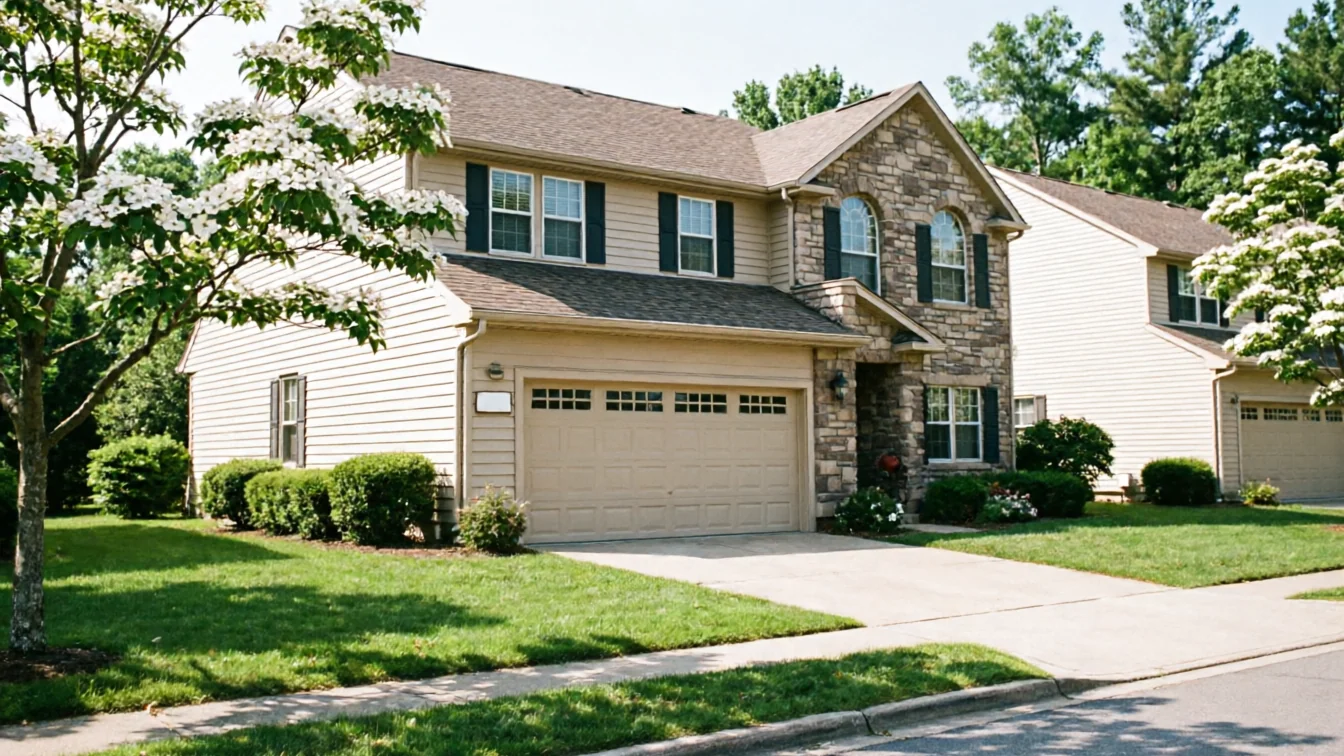
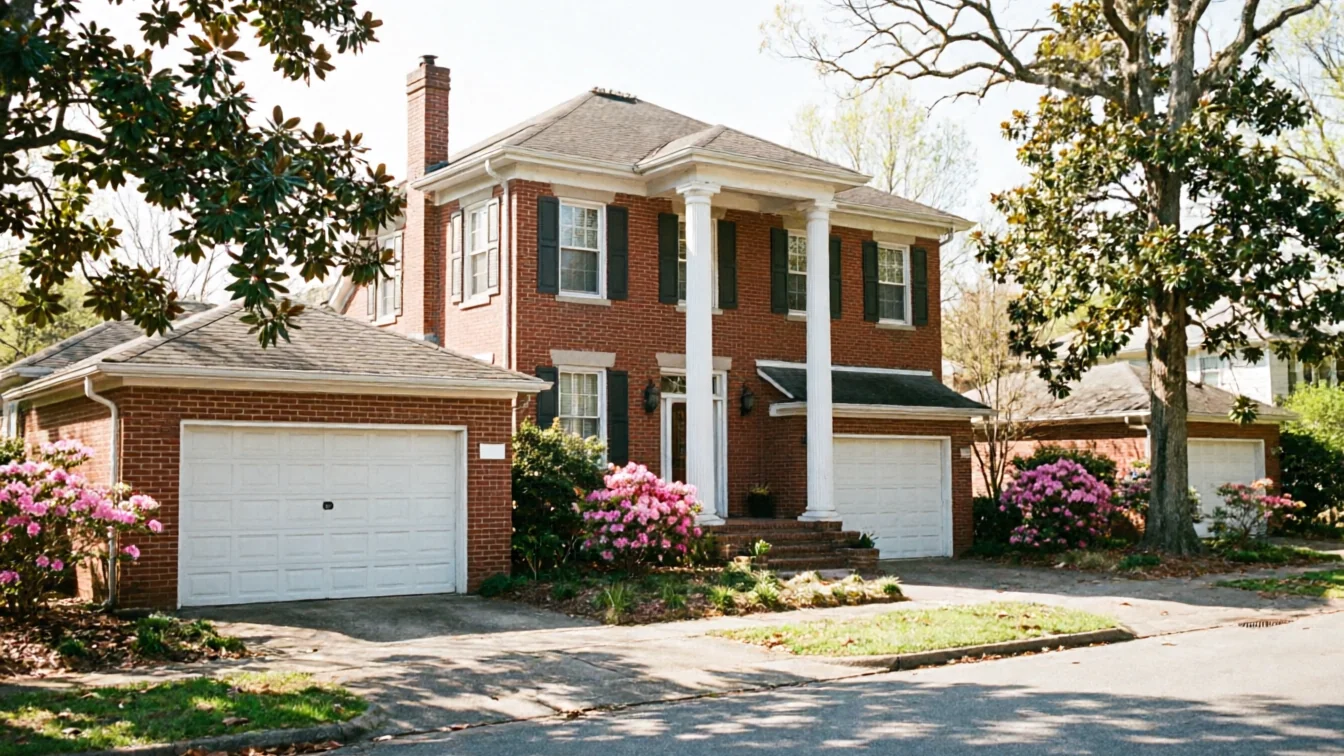
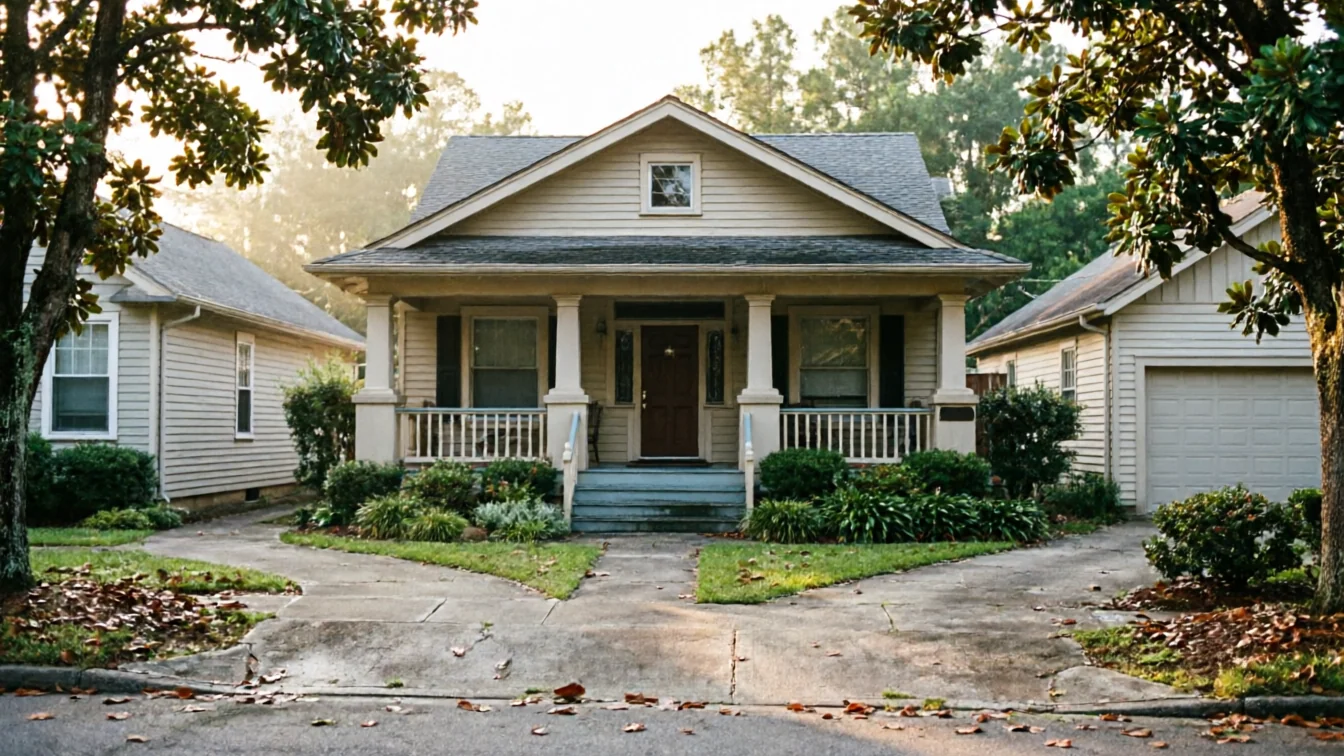
Chapel Hill's homes skew newer than a lot of what we work on elsewhere in the county. The median build year out here is 1992, which puts most garages on steel raised-panel doors with extension or torsion springs sized for lighter, insulated panels rather than the heavy wood slab doors you'd find on an older street. With 666 households in this pocket and a median income of $77,826, we see a fair number of owners who bought a mid-grade builder-spec door with the house and have never had to touch it until a spring or opener finally wears out.
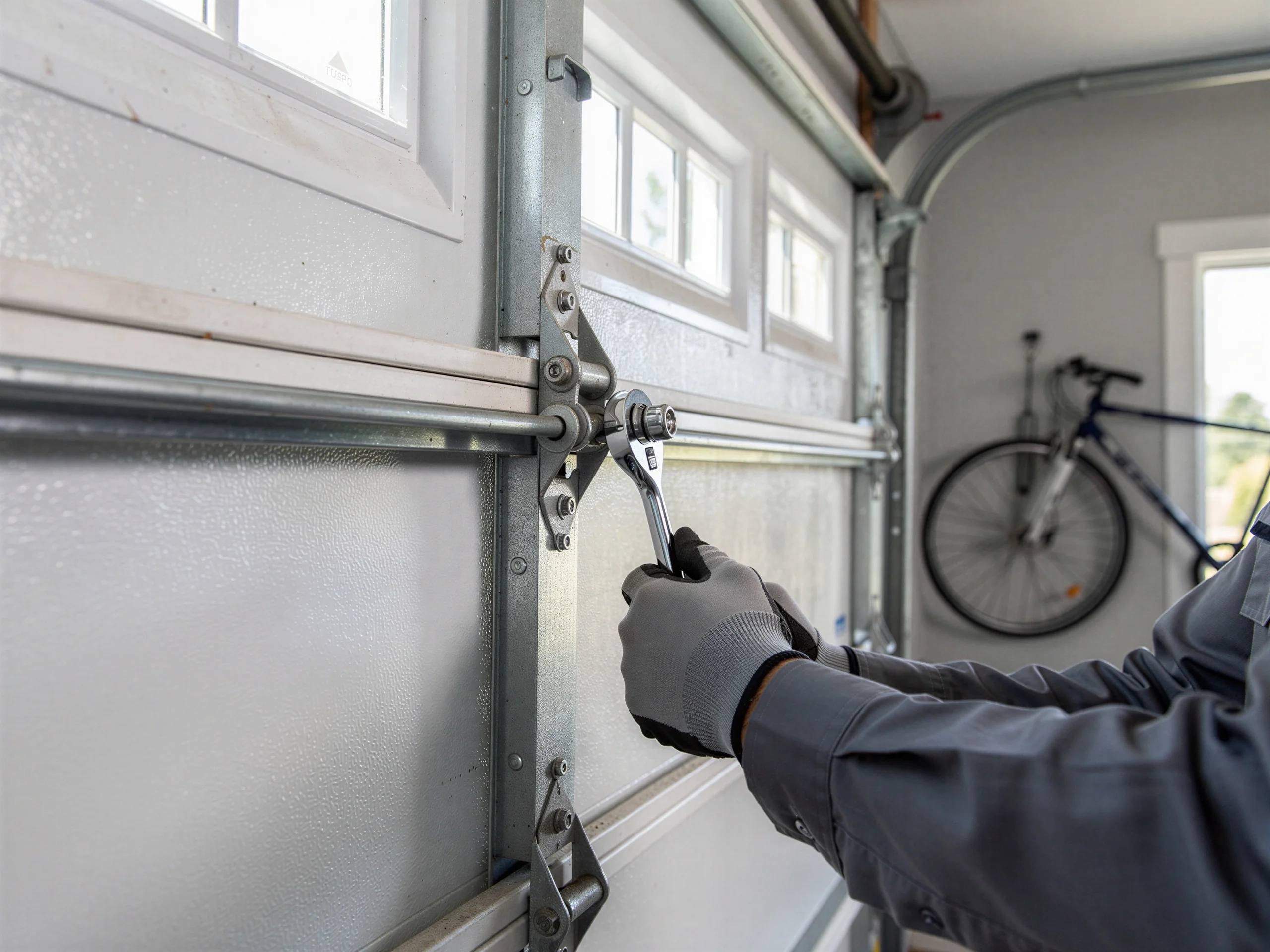
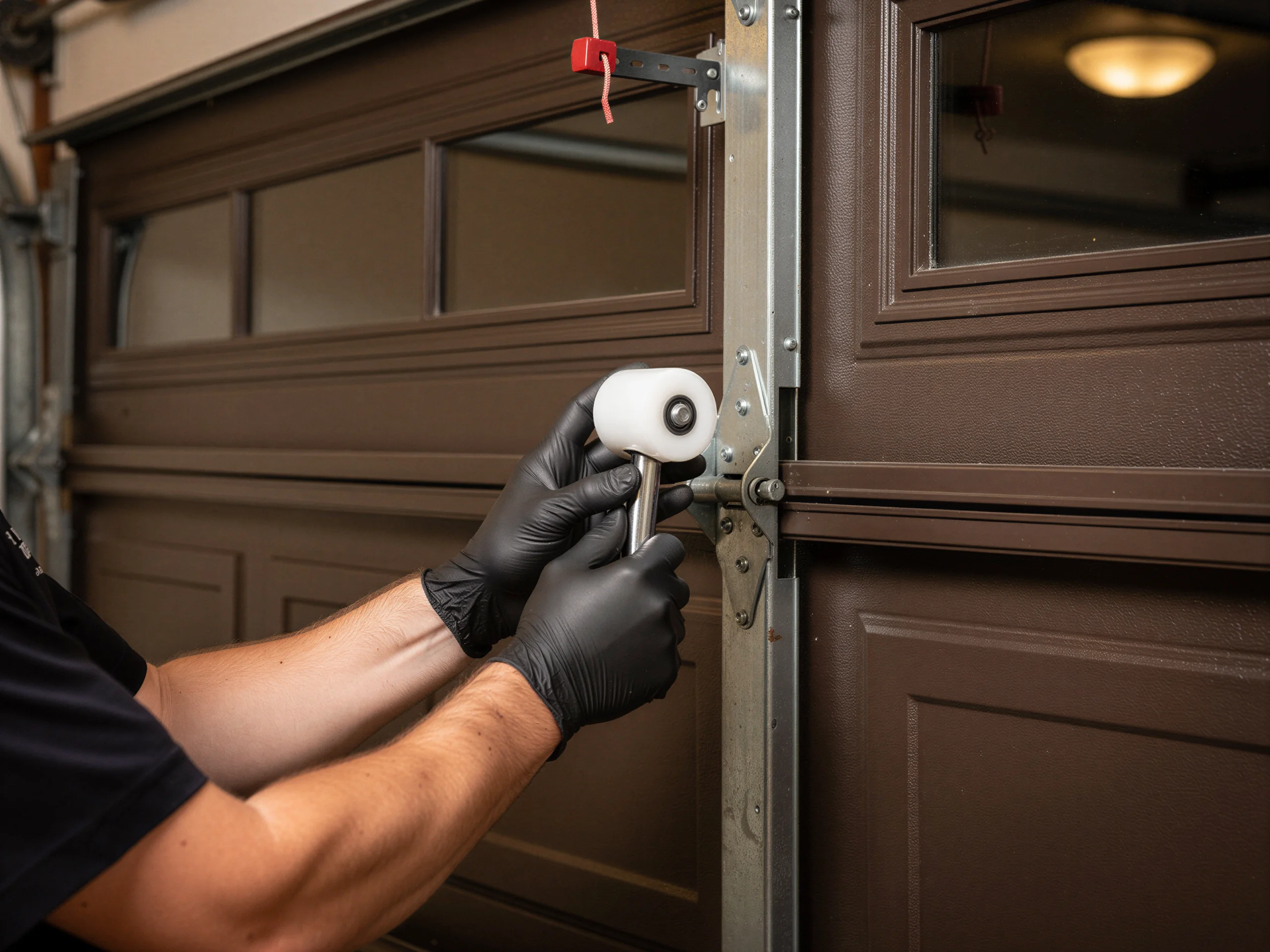
That 1990s-era construction matters because the hardware from that decade is a known quantity - we can usually match springs and rollers off the shelf instead of hunting down a discontinued part. It's a different job than a 1940s house with a one-piece door on side-mounted torsion hardware, where you're often stuck sourcing obsolete pieces. If your door was installed when the house was built, it's probably due for a spring replacement regardless of how it looks from the driveway - springs are rated by cycle count, not by years.